
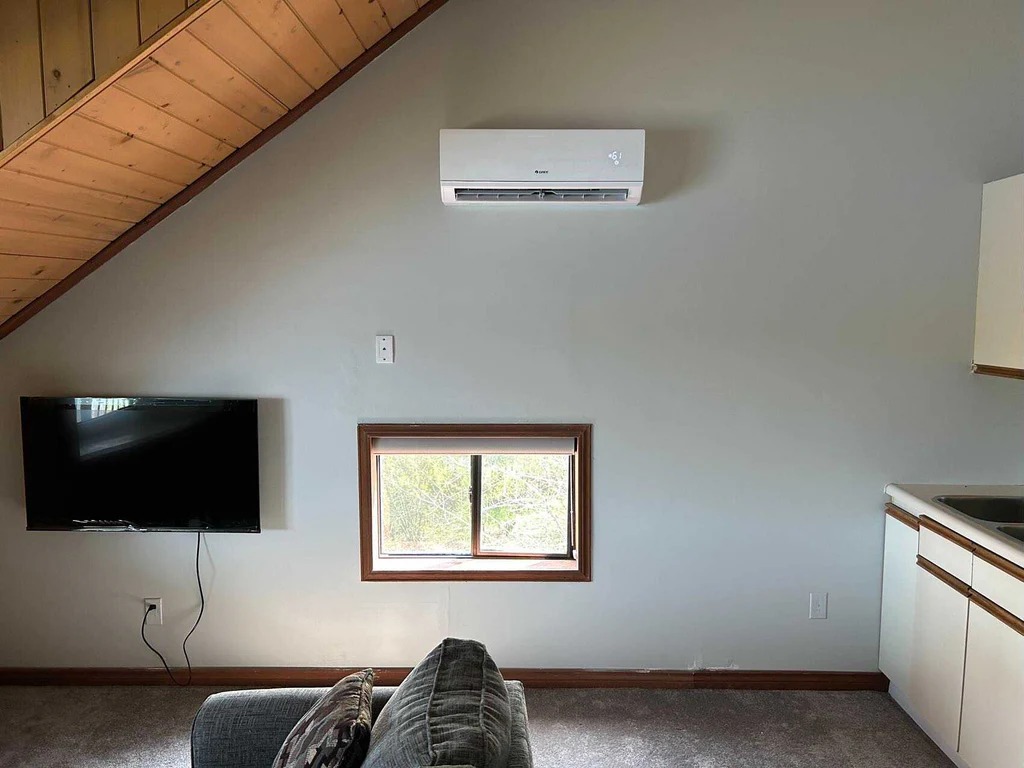
Understanding the Efficiency of a Mini Split System
A mini split system is a popular choice for heating and cooling individual rooms or small spaces, known for its efficiency and versatility. Understanding the efficiency of a mini split system involves examining how it operates, the factors that influence its performance, and how it compares to other HVAC options. Unlike traditional central air conditioning systems that rely on ductwork to distribute conditioned air throughout an entire building, mini splits use an outdoor compressor connected to one or more indoor air-handling units via refrigerant lines. This design eliminates the energy losses associated with ducts, making mini splits inherently more efficient in many applications.
The efficiency of a Mini Split system is often measured by its Seasonal Energy Efficiency Ratio (SEER) for cooling and Heating Seasonal Performance Factor (HSPF) for heating. Higher SEER and HSPF ratings indicate better performance and lower energy consumption. Modern mini splits typically have SEER ratings ranging from 16 to over 30, which surpasses many conventional systems. This high efficiency results from advanced inverter technology that allows the compressor to adjust its speed based on demand rather than operating at full capacity continuously. By modulating power output, the system maintains consistent temperatures while using less electricity.
Another key factor contributing to the efficiency of mini split systems is their ability to provide zoned heating and cooling. Users can control temperatures independently in different rooms or zones without wasting energy conditioning unoccupied areas. This targeted approach reduces overall energy usage compared to central systems that cool or heat entire buildings uniformly regardless of occupancy patterns.
Installation quality also significantly impacts a mini split’s efficiency. Proper sizing ensures the unit matches the space’s specific heating and cooling load requirements; an oversized or undersized system will operate inefficiently and reduce comfort levels. Additionally, correct placement of indoor units promotes optimal airflow distribution within rooms while minimizing obstructions that could hinder performance.
Maintenance plays a role as well since clogged filters or dirty coils decrease airflow and force components like compressors to work harder than necessary, leading to increased electricity consumption over time.
When considering environmental benefits alongside cost savings, many models incorporate eco-friendly refrigerants with low global warming potential (GWP), further enhancing their appeal in sustainable building practices.
In summary, understanding what drives a mini split system’s efficiency helps users make informed decisions about installation, operation, and maintenance strategies that maximize comfort while minimizing energy costs. These systems offer flexible zoning capabilities combined with advanced technology innovations that outperform traditional HVAC solutions in both residential and commercial settings when properly applied.